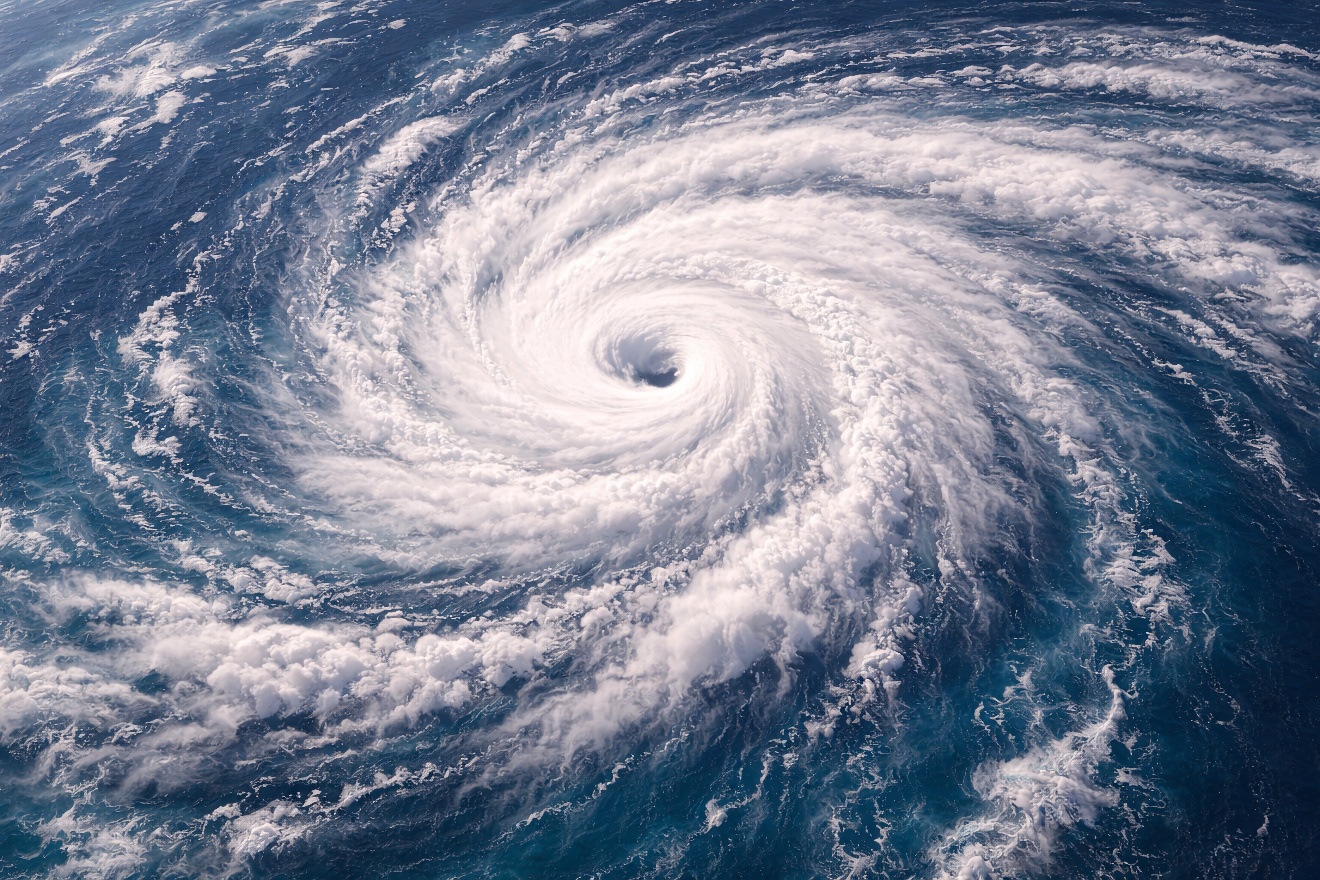
According to the National Oceanic and Atmospheric Administration (NOAA), peak hurricane season in the United States typically occurs in August and September. If you have goods or services that can be helpful for disaster relief, bidding on federal hurricane relief jobs can be a great option to consider, but you need to be ready to go long before these storms begin forming.
While many contractors assume that disaster work begins after a hurricane, many federal and state agencies establish pre-positioned and standby contracts before hurricane season begins to ensure that resources are available immediately when a disaster occurs. Whether you are providing services or goods before or after a hurricane, here’s what you need to do in order to be ready to bid on disaster relief jobs.
How To Prepare for Hurricane Relief Jobs
At the federal level, many jobs are available through the Federal Emergency Management Agency (FEMA), and to become a FEMA contractor or a contractor for any federal agency, you will need to take the following steps.
- Complete Your SAM Registration
The System for Award Management is a database that includes information about all federal government contractors, and you must have an active registration in SAM to bid on any federal contracting jobs.
At Federal Contractor Registry, we can complete this step for you. While the government charges no fees for SAM registration, the process is complicated and time-consuming, and many business owners simply hire a third party to handle this step. Our team can quickly and accurately complete your SAM registration or SAM renewal to ensure that you are ready to bid on federal contractor jobs whenever an opportunity arises.
- Learn About Federal Regulations
When you read over the contract, it will include any relevant Federal Acquisition Regulations (FAR). These are the rules that govern federal contracting, and they often include rules about ethics, recordkeeping, subcontracting, and contract performance, etc.
When it comes to FEMA contractor jobs, you may be required to follow specific labor and wage requirements, such as adhering to pay requirements, overtime rules, and worker safety regulations. You likely will need to adhere to standards set by the Occupational Safety and Health Administration (OSHA) as well as follow environmental compliance regulations.
- Be Ready to Showcase Your Past Experience
To win federal contractor jobs, procurement agents typically study your past performance to determine if you can truly fulfill the requirements of the contract. For instance, if you provide water damage restoration services, you might include any large-loss commercial flood cleanup and water extraction projects you have handled. A debris removal company might highlight any large-scale storm debris removal or land-clearing projects.
- Think About Insurance Coverage
In order to work for FEMA (and many other agencies), the government will expect you to have adequate insurance coverage. The amount you need varies based upon what you are providing for the government. For instance, a general contractor might need to carry at least $1 million in liability coverage, as well as workers’ comp insurance, etc. Be sure to study the contract carefully, as it likely contains information about what will be required.
- Ensure Licenses & Certifications Are Current
Before pursuing hurricane relief jobs or any type of disaster cleanup jobs, businesses should verify that all required licenses, certifications, and registrations are current and in good standing. During a disaster response, agencies and prime contractors often need to move quickly, and an expired contractor’s license, certification, or permit could delay or even prevent a company from being considered for a project.
Depending on the type of work performed, this may include contractor licenses, professional certifications, commercial driver’s licenses, environmental certifications, safety training credentials, or specialized equipment permits. Companies should also confirm that any required state or local licenses remain valid in the areas where they plan to operate.
- Create or Update Your Capability Statement
A capability statement is a concise document that highlights your company’s qualifications, services, experience, and key business information. Government agencies and prime contractors often use capability statements to quickly evaluate whether a business may be a good fit for a project.
Before hurricane season begins, review your capability statement to ensure it reflects your current services, equipment, certifications, licenses, and relevant project experience. If your company has completed projects involving construction, debris removal, logistics, restoration, transportation, or emergency response, be sure to include those examples. A well-prepared capability statement can help procurement officials and prime contractors understand your qualifications at a glance.
- Develop An Emergency Response Plan
Disaster recovery projects often require government contractors to mobilize quickly. Developing an emergency response plan before hurricane season can help your business respond more efficiently when opportunities arise.
Your plan may address questions such as:
- How quickly can personnel be deployed?
- What equipment is available and where is it located?
- Who will manage communications and project coordination?
- How will supplies and resources be transported?
- What backup plans exist if local infrastructure is damaged?
Having a documented plan can help demonstrate that your company is prepared to support disaster recovery efforts and can respond when time is critical.
- Establish Relationships with Prime Contractors & Procurement Agents
Many hurricane relief projects are awarded to large prime contractors that then hire subcontractors to assist with the work. Building relationships before hurricane season can help your company become aware of opportunities and position itself as a potential teaming partner.
Consider attending industry events, government contracting conferences, vendor outreach sessions, and procurement workshops. Networking with procurement officials and prime contractors can help you better understand upcoming opportunities, contracting requirements, and the types of services that may be needed during disaster response and recovery efforts. These relationships can be especially valuable when agencies and contractors are working under tight timelines following a major storm.
What About the Disaster Response Registry?
The Disaster Response Registry is a database within the System for Award Management that allows businesses to identify themselves as able to support disaster response and recovery efforts.
Companies that are registered in SAM can opt into the registry and provide information about the services they offer, such as debris removal, construction, transportation, restoration, logistics, or emergency support. We can ensure that your company is signed up with this agency as we complete your SAM registration.
When disasters such as hurricanes, floods, or wildfires occur, government agencies and contracting officials may use the registry to identify potential contractors that can help meet recovery needs. While inclusion in the registry does not guarantee contract awards, it can help increase a company’s visibility when disaster-related opportunities arise.
Get Started with Federal Contracting
Whether you live in an area prone to hurricanes and wish to bid on hurricane relief jobs or live in a different region, disaster relief jobs are available throughout the United States and its territories. Your first step is completing SAM registration, and we are ready to help at any time. To get started, just click on the green New Registration tab on our homepage and fill out our quick contact form.